

How to Spot a Bad Timeshare Deal Before You Sign
Committing to a timeshare may feel exciting in the moment—sales teams highlight dream vacations, luxury amenities, and the promise of lifelong getaways. But behind the polished pitch often lies a complex contract filled with financial obligations and hidden restrictions. What looks like an easy path to affordable vacations can quickly become a long-term burden.
Pay close attention to inflated costs, vague cancellation policies, and aggressive sales tactics designed to pressure you into signing before you’ve had time to think. Knowing what to look for empowers you to walk away from a deal that could lock you into years of fees, stress, and limited flexibility.
Common Sales Tactics to Watch Out For
Timeshare presentations are carefully designed to create pressure and urgency, often framing offers as “one-time deals” that are only valid if you sign immediately. This tactic is meant to prevent you from taking the time to compare options or review the fine print—both of which could reveal major drawbacks. The same strategy applies to freebies and incentives: gifts, free tours, and complimentary hotel stays are often used as bait to soften resistance, placing you in a relaxed mindset before the hard sell begins.
Another powerful tool is emotion. Presenters may share stories or use peer pressure to paint a picture of an enviable, carefree lifestyle that you’ll supposedly miss out on if you walk away. By appealing to fear of missing out, they make the purchase feel urgent and essential, when in reality it may be neither. Recognizing these tactics for what they are helps you pause, step back, and make decisions based on logic and facts rather than emotion and pressure.
Red Flags in the Contract
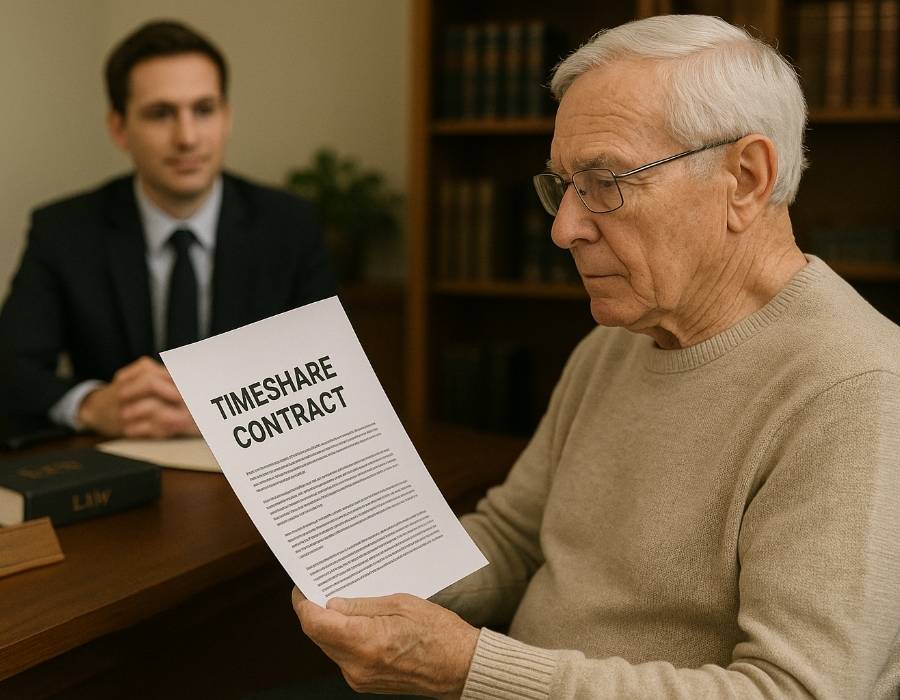
Timeshare contracts are often written in dense, confusing legal language that makes it difficult for buyers to fully understand what they’re committing to. This lack of clarity is intentional—complex jargon and lengthy clauses obscure the true costs and obligations, leaving many owners unaware of the long-term consequences until it’s too late. Anytime a contract feels deliberately hard to read, it’s a sign you should slow down and seek clarification before signing.
Another major warning sign is the absence—or manipulation—of a cooling-off or rescission clause. Most legitimate contracts provide a short window to cancel without penalty, but if the contract downplays, omits, or asks you to waive this right, that should raise serious concern. Similarly, vague language around “maintenance fees” or “usage fees” can mask escalating costs with no clear cap or corresponding benefits. These clauses can lock you into rising financial obligations while offering little in return, turning what seems like a dream purchase into an endless burden.
Why It’s Hard to Get Out Later
Timeshare contracts are written with one goal in mind—keeping owners locked in. They’re intentionally dense, filled with rigid clauses, and structured to make cancellation difficult without professional guidance. Once you’re past the short rescission window, these binding agreements can tie you down for years, leaving you responsible for ongoing payments whether you use the property or not.
On top of that, the resale market offers little relief. With far more sellers than buyers, resale values are often negligible—or non-existent—leaving most owners unable to recover even a fraction of their original investment.
To make matters worse, many owners who try to escape fall prey to scams. Some so-called exit services charge large upfront fees, offer “guaranteed” results they never deliver, or even suggest stopping payments—an approach that can trigger foreclosure and credit damage. That’s why it’s essential to research and choose a reputable timeshare exit company if you need help navigating your options. In fact, understanding exit pathways early on, even before you buy, can provide peace of mind and help you avoid costly mistakes down the road.
Protecting Yourself When Buying Vacations
The best protection against a bad timeshare deal is slowing down the process. High-pressure sales environments are designed to push you into quick decisions, but if you don’t feel comfortable taking time to think it through, it’s a sign to walk away. Legitimate offers will still be available after you’ve had a chance to review them at home or with a trusted partner. Always take the contract with you, compare it with other offers, and if the legal language feels overwhelming, consider seeking independent legal advice. It’s also important to understand your state’s cooling-off rights, since rescission periods vary—some states allow up to ten days to cancel, while others give far less. Knowing these deadlines upfront can protect you from being trapped by a hasty signature.
Equally important is preparing for the future. Even if you’re considering a purchase, research trustworthy timeshare exit company options early, so you understand what legitimate support looks like should you ever need it. Look for companies that offer transparency, escrow-based payment structures, or money-back guarantees, and never trust unsolicited calls or emails from so-called buyers or facilitators. By staying cautious, informed, and deliberate, you not only safeguard your finances but also ensure that your vacation choices remain a source of joy rather than stress.
Stay Informed and Stay in Control
When it comes to timeshares, the smartest approach is a cautious one—recognize high-pressure sales tactics, look past tempting freebies, and pay close attention to contract details and vague terms. Know your rescission rights before you sign, and research your options for a reputable timeshare exit company as a safeguard. With preparation and a clear plan, you can protect your finances, preserve your flexibility, and keep your vacation dreams free of stress and regret.


